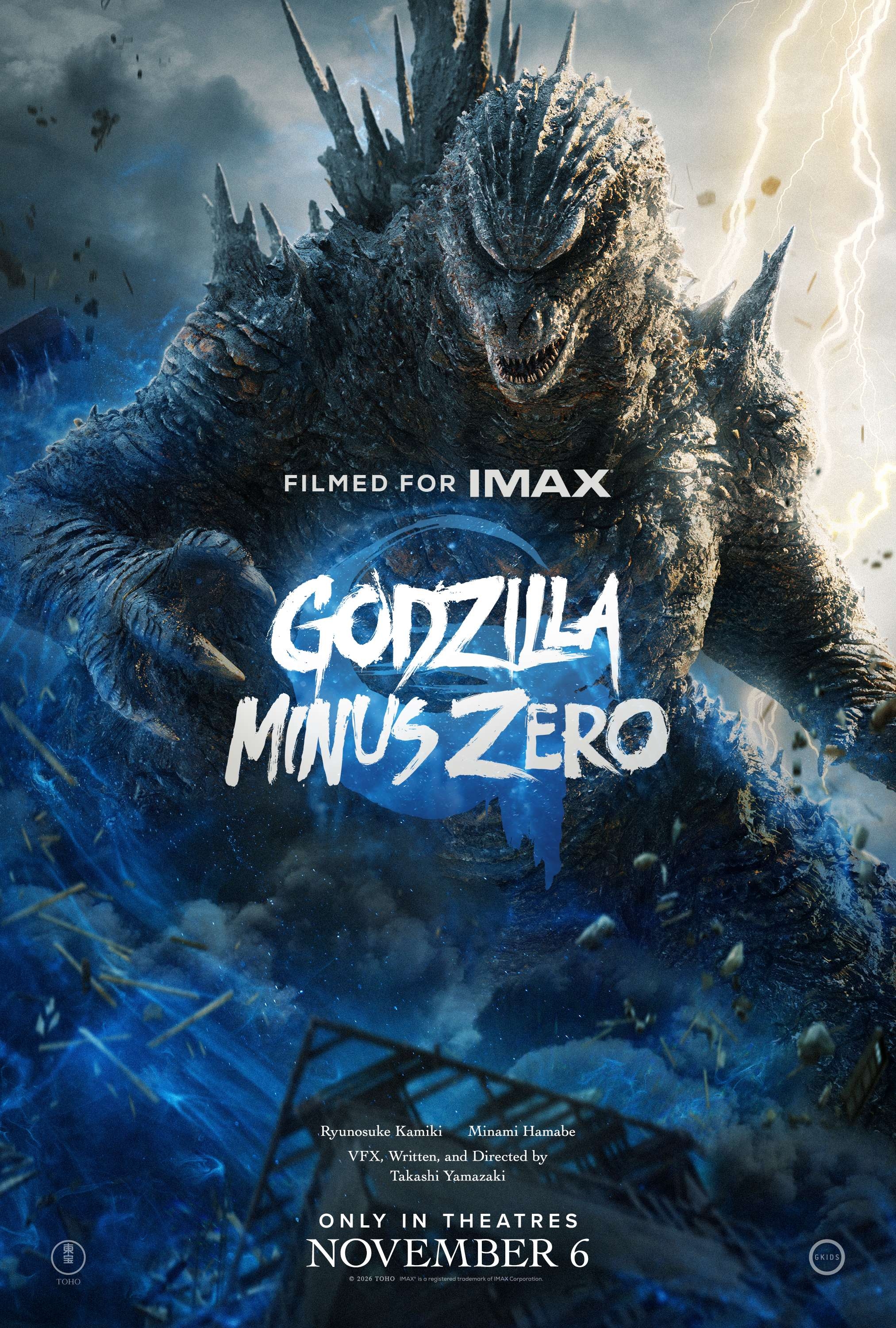
Godzilla Minus Zero is a big, bruising sequel to Minus One, and it delivers. It holds 91% on Rotten Tomatoes from 224 critic reviews and 95% from audiences, with a 74 out of 100 on Metacritic. The scale, the visual effects, the sound and the emotional core around the monsters carry it, and it is best seen on the biggest screen you can find.
The story, without spoilers
The film picks up two years after the events of Minus One. Japan is still rebuilding after the war and Godzilla's attacks when a new threat arrives, and Ryunosuke Kamiki's Koichi Shikishima, a former kamikaze pilot, and Minami Hamabe's Noriko Shikishima are pulled back into the fight.
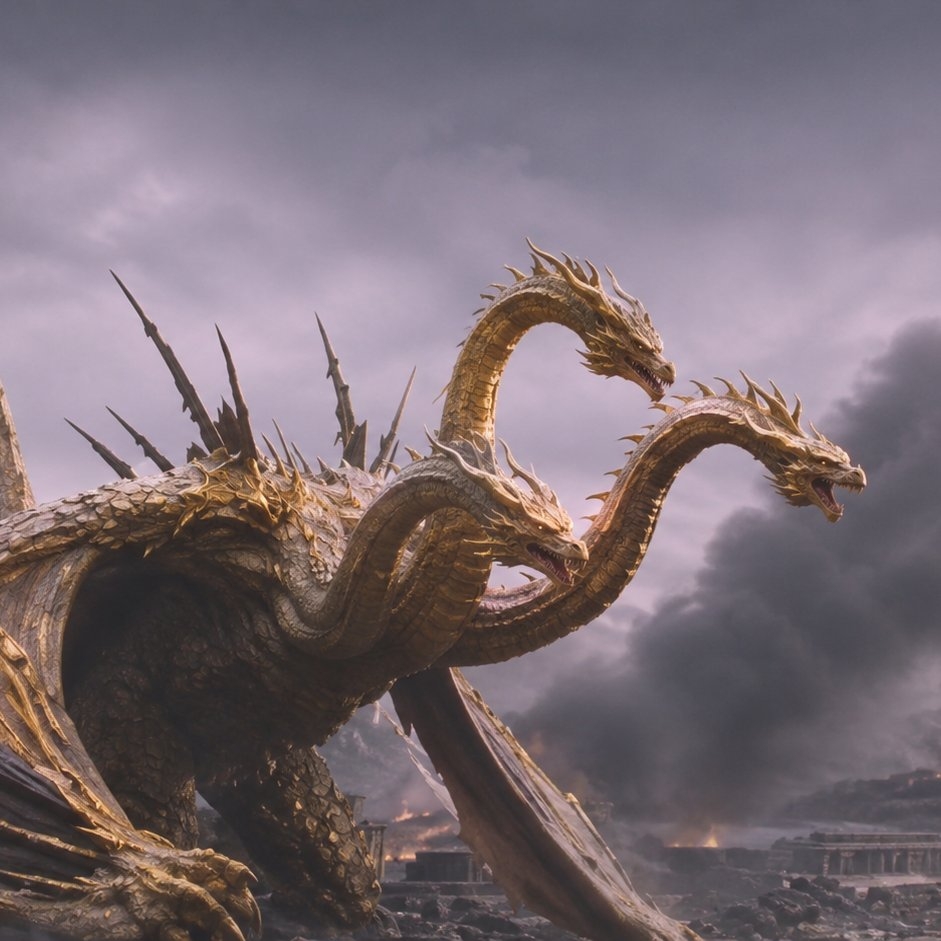
The new monster is King Ghidorah, a creature that draws on Japanese and European dragon myths. Around it, the story follows people dealing with shame, grief and survivor's guilt in a country that has barely recovered.
What works
The effects. The visuals are the main reason to see the film, and they are worth the biggest screen you can find, ideally IMAX. The photo realistic approach holds up, and the use of puppetry is welcome. It is the first Japanese production filmed for IMAX, with a budget about 30% higher than Minus One's, and the effects team at Shirogumi grew to around 50 people.
King Ghidorah. On the big screen, Ghidorah looks majestic and effective. It is a creature that fills the frame and feels like a real threat, which is what the story needs.
The sound. The sound design is a huge plus. When Godzilla and Ghidorah face off, you will feel the theatre tremble, and that is an experience a home screen cannot match.
Godzilla's entry. Godzilla appears much later in the film, but the build up to his entry is a treat to watch. The wait makes the arrival land harder.
The opening. The opening sequence is a tense tracking shot of characters escaping atomic fire and a monster, and it sets the tone well.
The human drama. The best thing about Minus One was its emotional connect among well defined characters, and the same continues here. The film is a raw look at trauma and survivor's guilt, and the flashbacks that give the new characters their backstories are among its most powerful moments.
Any complaints
There is very little to complain about. A few critics find the story looser than Minus One's, and 135 minutes is a long sit, but neither takes away from the experience.
How it is landing
Critics and audiences are largely aligned. Rotten Tomatoes shows 91% from critics and 95% from audiences, Metacritic has 34 positive reviews, 10 mixed and none negative, and CinemaScore gave it an A. Some are calling it the best film of the year.
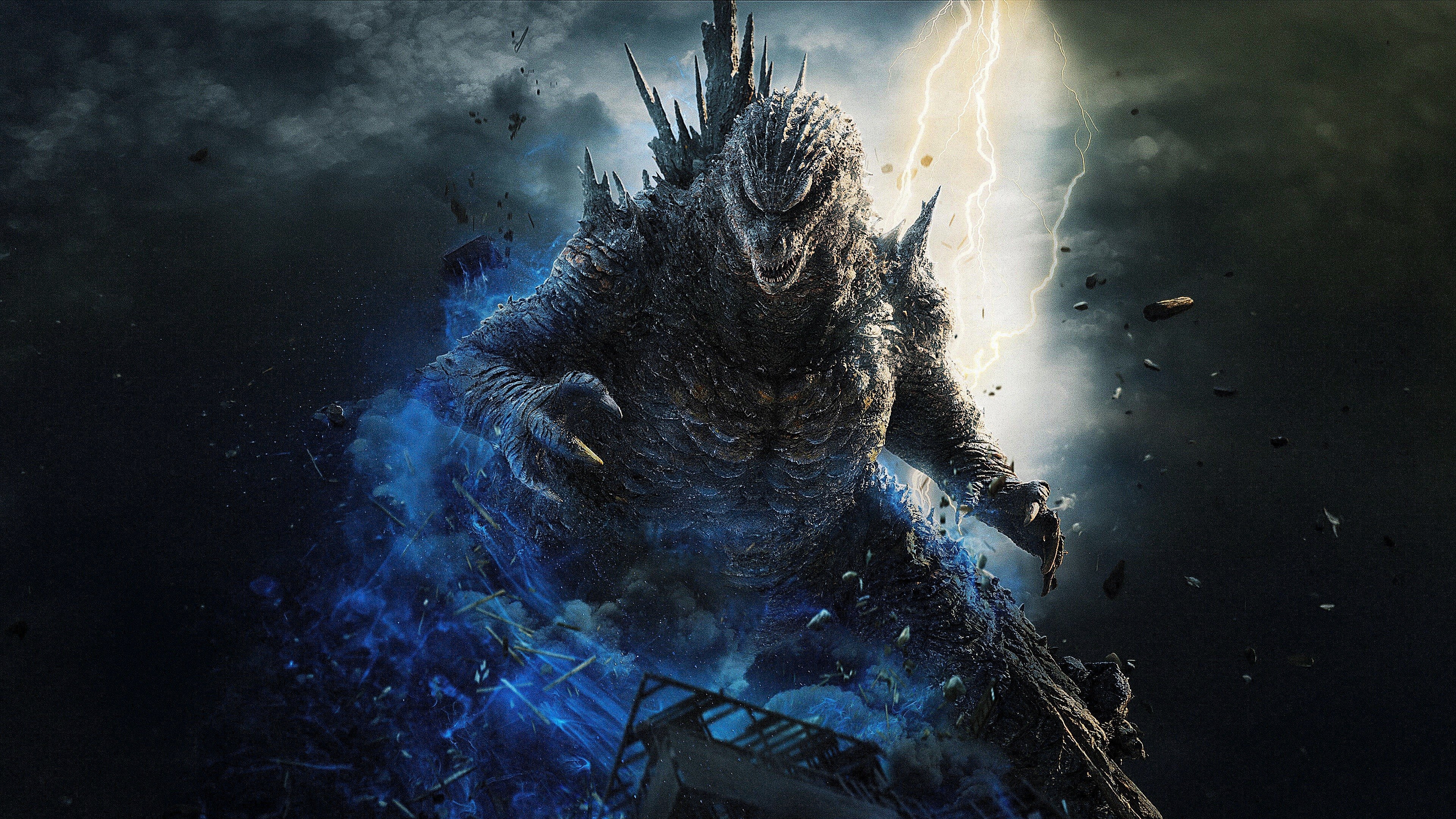
The box office backs it up. In Japan it opened to ¥910 million on day one, a record for a live action film there. In the US and Canada it took $30.6 million over its opening weekend, the biggest opening for a foreign language live action film in that market, with IMAX supplying $21.3 million. The US gross stands at $54.7 million so far, and the figures will keep moving.
Should you watch it
Yes, if Minus One got to you. Godzilla Minus Zero gives you spectacle on a bigger scale and the same focus on people who are still carrying the war with them, and the effects alone justify the biggest screen you can find, ideally IMAX.
Think twice only if you want a lean runtime. At 135 minutes it asks for some patience, and it carries an R rating in the US for violence and bloody images, so it is not a casual family watch.